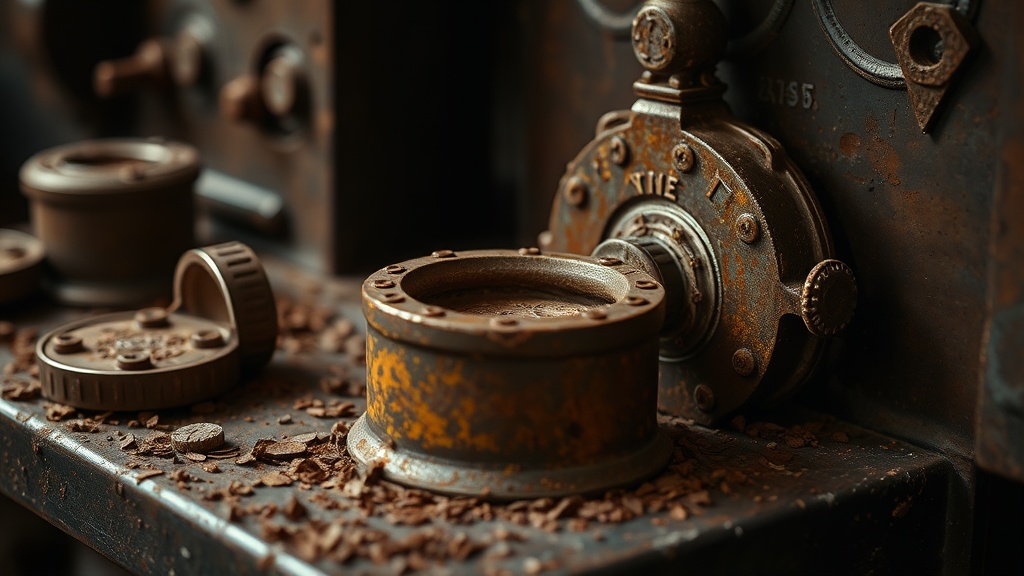
Protecting Your Collection from Oxidation and Rust

Imagine opening a long-awaited wooden crate of vintage metal bottle caps, only to find a layer of reddish-brown dust coating the edges and a faint smell of metallic decay. That isn't just dirt; it's oxidation. For collectors of metal-based memorabilia, oxidation and rust aren't just aesthetic issues—they are structural threats that can permanently devalue a piece or even destroy it. This post covers the science behind metal degradation and provides practical, actionable methods to keep your collection in pristine, shelf-ready condition.
Rust is the enemy of the metal collector. Whether you're holding a rare 1970s brewery cap or a vintage brass coaster, moisture and oxygen are constantly working to break down the surface. If you don't act, that beautiful piece of history becomes a piece of scrap metal.
How Does Oxidation Damage Metal Collections?
Oxidation occurs when a metal reacts with oxygen in the air, often accelerated by moisture, to create a new substance like iron oxide (rust) or copper oxide (patina). In the world of bottle caps, this usually happens because of the iron content in the steel. While some collectors actually look for a "vintage patina," uncontrolled oxidation leads to pitting, flaking, and eventually, the total disintegration of the metal's integrity.
The process is often invisible at first. You might see a tiny speck of orange on the rim of a crown cap. That small spot is a sign that the protective coating—be it paint, lacquer, or tin plating—has failed. Once the oxygen reaches the core metal, the reaction begins. It's a slow-motion disaster.
Environmental factors play a huge role here. High humidity levels in a Brooklyn apartment or a damp basement are a recipe for disaster. Even the oils from your skin can trigger a reaction. When you handle a piece, you're transferring salts and acids from your hands directly onto the surface. This is why I always recommend using gloves when sorting through a new haul.
To understand the chemistry behind this, you can look at the principles of oxidation on Wikipedia. It's a fundamental chemical reaction, but in a collection, it's a value killer.
What Are the Best Ways to Prevent Rust on Metal Caps?
The best way to prevent rust is to control your environment by maintaining low humidity and minimizing direct contact with skin oils. If you can keep your collection in a climate-controlled space, you've already won half the battle.
Here is a checklist of preventative measures you should implement immediately:
- Dehumidification: Use a dedicated dehumidifier in your storage room. Keeping the relative humidity below 40% is the gold standard for preventing moisture-driven oxidation.
- Protective Coatings: For pieces that aren't meant to be handled, a thin layer of microcrystalline wax (like Renaissance Wax) can create a physical barrier between the metal and the air.
- Airtight Storage: Store high-value metal items in archival-quality, airtight containers. This limits the amount of fresh oxygen and moisture available to the metal.
- Handling Protocols: Always use cotton or nitrile gloves. Even a single fingerprint can leave enough acid to cause a "rust spot" over several months.
It's tempting to just throw your caps in a plastic bin and call it a day. But a standard plastic bin isn't airtight. Over time, the air trapped inside can still facilitate degradation. If you're serious about a high-end collection, look into specialized archival storage solutions.
One thing to note—if you are collecting pieces with rare metal finishes, the rules change slightly. Those delicate surfaces are even more sensitive to chemical reactions and environmental shifts than standard steel caps.
Can You Remove Existing Rust from a Bottle Cap?
Yes, you can remove light surface rust from metal caps, but you must proceed with extreme caution to avoid destroying the artwork or the structural integrity of the piece.
Before you touch a single item with a cleaning agent, you need to decide if the piece is a "museum-grade" specimen or a "display-grade" specimen. If it's a one-of-a-kind rarity, leave it alone. Any attempt to clean it could strip the paint or the original luster. However, if it's a common cap that just has a bit of surface grime, you have a few options.
The following table compares common cleaning methods for collectors:
| Method | Best For... | Risk Level | Notes |
|---|---|---|---|
| White Vinegar Soak | Heavy rust on non-painted metal | High | Can strip paint and discolor metal quickly. |
| Microcrystalline Wax | Preventing future rust on stable pieces | Very Low | Adds a protective layer without changing appearance. |
| Mild Soap & Water | General surface dirt/grime | Low | Must be dried instantly to avoid water spots. |
| Fine Steel Wool (0000) | Removing tiny surface spots | Medium | Use extreme caution; can scratch the finish. |
The catch? Most "home remedies" like vinegar or lemon juice are highly acidic. While they dissolve rust, they also eat away at the metal itself. If you use an acid to clean a cap, you've essentially just accelerated the oxidation process for the next time. It's a bit of a paradox. If you go this route, you must neutralize the acid and dry the piece completely afterward.
For a more professional approach, look at the guidelines provided by the Library of Congress regarding the preservation of metal artifacts. They offer deep insights into how various metals react to different environments.
If you find yourself with a piece that is heavily pitted or has "rust rot," it might be too late. Once the metal has lost its structural integrity, no amount of cleaning will bring back the original value. At that point, it's a cautionary tale rather than a collectible.
A common mistake I see is using commercial metal polishes like Brasso or various automotive cleaners. These are often too abrasive for the thin gauge of a bottle cap. They might make it shine for a week, but they often strip away the protective lacquer that keeps the metal from oxidizing in the first place. You're essentially trading long-term stability for short-term shine.
When dealing with rust, the goal isn't to make it look brand new. The goal is to stabilize the piece. A slightly weathered cap that is chemically stable is much more valuable than a "shiny" cap that is actively disintegrating due to aggressive cleaning.
Always test a small, inconspicuous area first. If you're working on a piece with a printed design, the ink is often just as vulnerable as the metal. If the ink flakes off during your cleaning attempt, the piece is effectively ruined. It's a high-stakes game, but if you're careful, you can save a lot of great pieces from the scrap heap.
Keep an eye on your storage bins every few months. A quick inspection can catch a small rust spot before it becomes a systemic issue for your entire collection. Prevention is always cheaper—and much easier—than restoration.