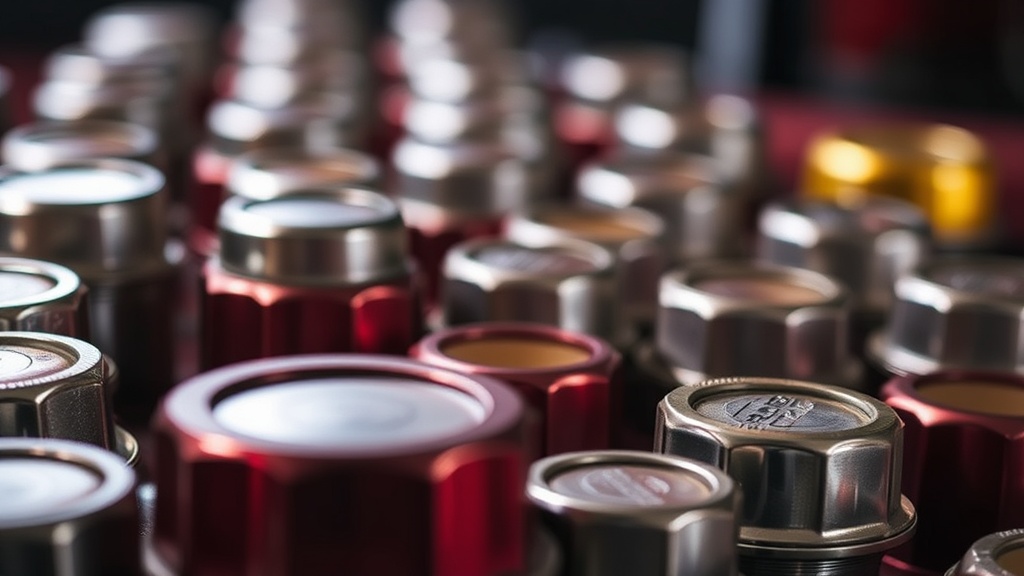
Why Your Metal Caps Are Losing Color and How to Stop It

Imagine opening a fresh shipment of vintage 1970s coasters or a box of high-quality metal beer caps only to find a dull, oxidized film coating the surface. One day they look vibrant—almost neon—and the next, they look like they've been sitting in a damp basement for a decade. This isn't just bad luck; it's a chemical reality. Metal caps, specifically those made from tin-plated steel, are incredibly sensitive to their environment. If you aren't controlling the air around them, you aren't just collecting; you're watching your investment fade.
The problem usually starts with moisture and oxygen. When these two elements meet a metal surface, a reaction begins. For collectors, this means the difference between a pristine, high-value piece and a rusted piece of scrap metal. We're going to look at exactly why this happens and what you can do to keep your collection looking as bright as the day you pulled it from the bottle.
Does Humidity Affect Metal Beer Caps?
Humidity is the silent killer of metal collections. When the air holds too much water vapor, that moisture settles on the edges and crevices of your caps. Even a small amount of moisture can trigger oxidation. It's not just about the metal itself—it's about the coatings. Most modern caps have a thin layer of lacquer or plastic to protect the design, but vintage caps often have much thinner or non-existent barriers. Once the moisture gets under that layer, the degradation begins.
If you live in a coastal area or a place with high seasonal humidity, your collection is at a higher risk. I've seen collectors in Brooklyn deal with this during particularly muggy summers. You might think a glass display case protects them, but if that case isn't airtight, the humidity will seep in regardless. You need to think about the air inside the case just as much as the caps themselves. Many collectors find success using silica gel packets, but you have to remember to replace or reactivate them regularly—otherwise, they become useless.
How Can I Prevent Rust on My Collection?
Preventing rust is a two-front war: controlling the environment and managing the physical handling of the items. First, let's talk about your hands. The natural oils and salts on your skin are surprisingly aggressive. If you touch a metal cap with bare fingers, you're leaving a microscopic trail of salt and oil that can lead to pitting or rust over time. Always use way-clean hands or, better yet, a pair of lint-free gloves when moving items into a display. It feels a bit much, but it's a small price to pay for longevity.
Second, check your storage locations. Avoid storing your collection near heat sources like radiators or in damp areas like basements. Extreme temperature swings can cause the metal to expand and contract, which might lead to micro-cracks in the protective lacquer. If you want to see more about the chemical properties of metal oxidation, the Britannica entry on oxidation provides a great technical foundation for understanding these processes.
Common Environmental Culprits
Before we move on, let's look at a quick checklist of things that might be ruining your display:
- Direct Sunlight: UV rays don't just fade the ink; they can actually degrade the clear coats that protect the metal.
- Unsealed Display Cases: If air can get in easily, moisture can get in easily.
- Cheap Metal Alloys: Some lower-quality vintage pieces use metals that are more prone to rapid corrosion.
- Improper Cleaning: Using harsh chemicals to "clean" a cap can strip the protective layer entirely.
What Is the Best Way to Clean Vintage Caps?
When a cap arrives with a bit of dullness, your first instinct is to scrub it. Stop right there. The most common mistake is using abrasive materials. If you use a heavy-duty cleaner or a metal polish, you might actually be stripping the very graphics that give the cap its value. Instead, start with the gentlest method possible. A dry, soft microfiber cloth is often all you need to remove superficial dust or light film.
If there is stubborn residue, a slightly damp cloth with just a tiny bit of distilled water is safer than tap water, which contains minerals that can leave spots. For more detailed discussions on the preservation of vintage metal items, checking out resources like the Library of Congress digital collections can give you an idea of how historical metal artifacts are treated by professionals. It's a much more disciplined approach than most casual hobbyists take.
If you find a cap that is truly stuck in a state of heavy oxidation, sometimes a very mild solution of white vinegar and water can help, but you must rinse it thoroughly with distilled water and dry it immediately. Never let a wet cap air-dry, as that just invites more water into the crevices. The goal is to remove the byproduct of oxidation without damaging the underlying metal or the printed design.
Maintaining a collection is an ongoing process of observation. You have to look at your items more than once a week. Does that edge look a little darker than it did last month? Is there a slight change in the luster of the center? Catching these changes early is the only way to prevent a permanent loss of value. It's not just about the look—it's about the preservation of history, one small metal piece at a time.