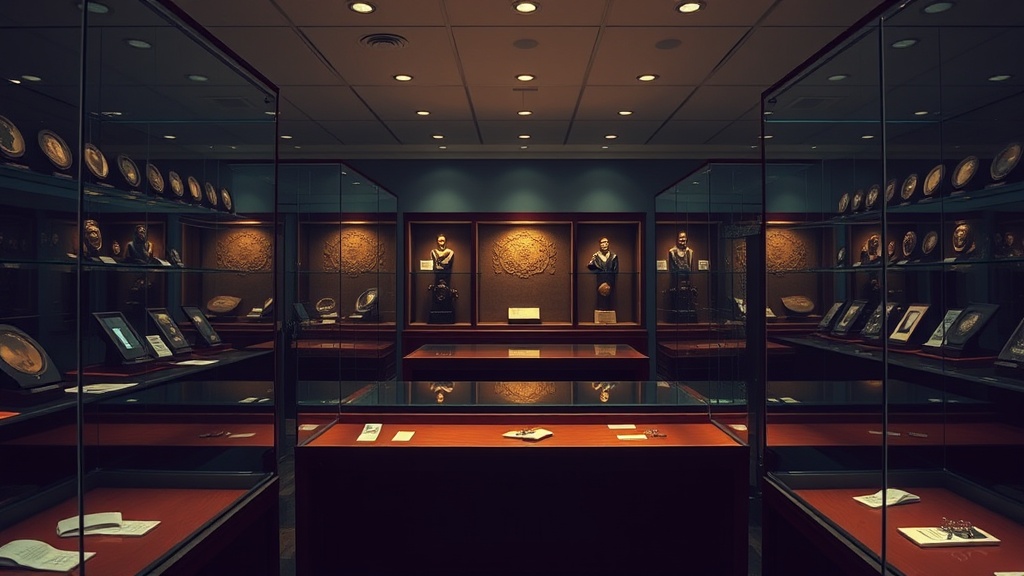
Why Display Cases Often Do More Harm Than Good

The Hidden Danger of Sealed Displays
Many collectors believe that locking a collection away in a glass box or a sealed acrylic case is the gold standard for preservation. They think airtight means safe. In reality, many standard display cases actually trap moisture and create a micro-environment that can accelerate the degradation of metal finishes. If you don't manage the air inside that box, you aren't protecting your caps; you're creating a greenhouse for oxidation.
The misconception is that visibility equals safety. While a display case protects against physical impact and dust, it does nothing to address the chemical reality of metal. A beer cap is a thin sheet of steel with a plastic liner, often coated in a thin layer of lacquer or paint. When you seal these items in a container without proper ventilation or moisture control, any residual humidity from the air—or even from the manufacturing process of the cap itself—gets trapped. This leads to the very rust and corrosion collectors fear most.
Can Humidity Ruin My Metal Cap Collection?
Yes, it absolutely can. Humidity is the silent enemy of any metal-based collection. When moisture levels in the air reach a certain threshold, it begins a chemical reaction with the iron in the steel. This is why you might see a cap that looked perfect in your drawer suddenly show signs of pitting or rust when it moves into a display. Even if the cap is coated, microscopic cracks in the lacquer or the edges of the crimped rim provide an entry point for moisture.
To keep your collection in top shape, you need to monitor the environment. If you're using a glass display case, you must consider the use of desiccant packets. Silica gel is a standard tool here. However, simply tossing a packet in a box isn't enough. You need to ensure the desiccant is actually working and being replaced regularly. For more technical data on how metals react to environmental humidity, the National Institute of Standards and Technology provides extensive research on material stability and environmental factors that affect metal structures.
How Much Airflow Is Too Much?
The debate between "sealed" and "open" is constant in the collector community. A completely open shelf is vulnerable to dust and physical damage, but a hermetically sealed case is a risk for moisture-related decay. The ideal middle ground is a ventilated display. This allows for a slow exchange of air, preventing the buildup of stagnant, humid pockets. If you choose to use a case, look for units with small ventilation holes or a design that allows for natural air movement.
Consider these three factors before you commit to a specific display style:
- The Material of the Case: Wood can actually hold moisture, which is bad for metal. Acrylic or glass is generally better, provided there is airflow.
- Ambient Room Humidity: If your display sits in a basement or a room with high humidity, the case won't save the caps unless you include active moisture absorbers.
- The Frequency of Cleaning: Every time you open a case to adjust a cap, you introduce new air and potential moisture. Do it sparingly.
Is It Better to Store Caps in Albums or Cases?
This depends on your priority: presentation or preservation. Albums—specifically those designed for small collectibles—provide a much more controlled environment. When a cap is tucked into a protective sleeve within an album, there is significantly less surface area exposed to the air. This is often safer for long-term storage, though it's less visually impressive for a room's decor.
For those who insist on displaying caps upright or on a wall, the risk increases. A wall-mounted display often lacks the structural protection of a case. If you're displaying items on a shadow box or a pegboard, you're essentially leaving them at the mercy of the room's climate. If you live in a coastal area or a high-humidity climate, this is a significant risk factor. You might check the National Weather Service for local humidity trends to understand what your collection is up against daily.
If you want the visual appeal of a display without the risks, try a "layered" approach. Keep your rarest, most sensitive vintage caps in high-quality, airtight-but-buffered albums, and use the display cases for your more common or robust modern caps. This way, the "showpieces" get the glory, but the "valuable pieces" stay safe in a controlled environment.
Common Mistakes in Displaying Metal Collectibles
One of the most frequent mistakes I see is the use of heavy-duty adhesives to mount caps to display boards. While it might seem like a good way to keep them from falling, the chemical makeup of many glues can react with the metal or the plastic liner over time. This can cause discoloration or even permanent damage to the surface finish. If you must mount them, use mechanical fasteners or specialized, archival-grade adhesives that are known to be pH-neutral.
Another error is lighting. Many collectors use high-intensity LEDs to make their metal caps pop. While LEDs are much cooler than old incandescent bulbs, they still emit heat. Over time, this heat can cause the plastic liner on the cap to warp or even melt slightly, which ruins the shape and the value. Always ensure there is a gap between your light source and the collectible, and never leave high-intensity lights on for extended periods in a small, enclosed space.
Lastly, don't forget about the "shelf life" of your cleaning-related tools. If you are using a cloth to dust your display, ensure it is free of any chemical residues. Even a "clean" microfiber cloth can have traces of laundry detergent that might react with the metal if it's slightly damp. A dry, clean cloth is your best friend, but even then, the goal is to minimize the time the cap is exposed to the air outside of its controlled environment.