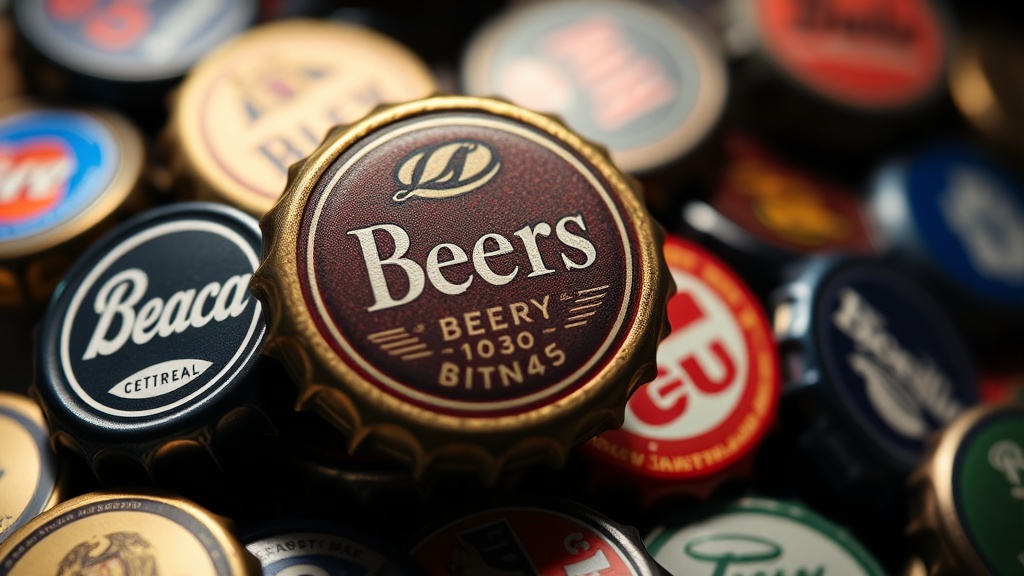
The Unexpected Evolution of the Beer Cap: Milestones and Innovations That Shaped Your Collection

Understanding the history of beer caps enriches your collecting experience, providing context for the designs, materials, and technologies you encounter. This listicle will explore the surprising journey of the humble bottle cap, highlighting key innovations that transformed how beverages are sealed and, by extension, the caps we cherish today.
What did we seal beer bottles with before the modern cap?
Before the ubiquitous crown cork, sealing carbonated beverages was a real challenge. Brewers and bottlers struggled with a variety of solutions, none truly ideal. Early methods included corks—often wired down to prevent them from popping out under pressure—and various types of porcelain or glass stoppers with rubber gaskets, held in place by intricate wire bails or levers, sometimes called 'lightning stoppers.' These closures, while functional to a degree, had significant drawbacks. Corks could impart unwanted flavors to the beer, especially over time, and were prone to leakage or premature failure. Bail-type closures, though reusable, were labor-intensive to apply and remove, and their rubber components could degrade, compromising the seal. Maintaining hygiene was also a constant battle; reusing stoppers meant meticulous cleaning, a process that was neither foolproof nor efficient for mass production. These early sealing dilemmas severely limited the shelf life and transportability of bottled beers, making long-distance distribution a complicated, risky affair. Imagine the frustration of a brewer watching a significant portion of their product spoil before it even reached a customer! This continuous quest for a reliable, sanitary, and cost-effective seal set the stage for a groundbreaking innovation.
How did cap designs and materials change over time?
The journey from rudimentary stoppers to sophisticated modern caps involves a fascinating interplay of design, material science, and manufacturing ingenuity. Early crown corks, for instance, featured a relatively standard appearance: a simple metal disc crimped around the bottle neck. Any decoration was often basic, perhaps a single color print of the brewery's initial or logo. But as printing technologies advanced, so too did the visual complexity of caps. Lithography allowed for more intricate designs, multiple colors, and finer details, transforming the cap from a mere closure into a miniature canvas for branding and marketing. Think of the vibrant, detailed logos and imagery that eventually graced caps, becoming instant identifiers for a brew. This wasn't just about aesthetics; it was about brand recognition in an increasingly competitive market. Simultaneously, the internal liners underwent a significant evolution. Original crown corks used a thin disc of natural cork. While effective, cork could sometimes leach flavors or succumb to moisture, impacting beer quality over extended storage. The industry sought alternatives, eventually transitioning to composite cork, then to various plastic polymers, primarily PVC and later polyethylene. These synthetic liners offered superior sealing properties, greater chemical inertness—meaning no flavor transfer—and were more cost-effective to produce consistently. The metal composition of the caps themselves also saw changes, moving from early tinplate to more readily available and corrosion-resistant steel, and in some applications, even aluminum, each chosen for a balance of cost, formability, and protective qualities. These material shifts might seem subtle, but each adjustment played a critical role in enhancing product integrity and expanding the possibilities for cap design and function.
What role have caps played beyond just sealing bottles?
Beer caps have evolved far beyond their primary function as a bottle seal, becoming powerful tools for marketing, cultural expression, and even a medium for art. From the moment the crown cork offered a reliable, mass-producible surface, breweries recognized its potential as a tiny billboard. This wasn't just about displaying a logo; it was about creating a recognizable, memorable piece of brand identity that consumers would interact with directly. Companies started employing caps in promotional campaigns, turning them into collector’s items, game pieces, or codes for contests—remember those caps you’d save to spell out a prize word? This turned the act of opening a bottle into a small, engaging experience. Regional variations are another fascinating aspect; different countries or even states often feature unique cap designs, reflecting local breweries, cultural motifs, or regulatory requirements. These distinctions give collectors a deeper sense of geographical context within their hobby. Moreover, the cap has been embraced by artists and crafters as a unique medium. From intricate mosaic art to jewelry, the small, circular canvases are repurposed into entirely new creations, demonstrating their intrinsic appeal and versatility. They truly serve as a testament to the fact that even the most utilitarian objects can harbor significant cultural and artistic value, shaping how we remember and interact with brands.
The Crown Cork Revolution: An Enduring Legacy
The invention of the crown cork by William Painter in 1892 marks a pivotal moment in the history of packaged beverages. Before Painter's ingenuity, bottling carbonated drinks was a tricky, often unreliable business. Existing stoppers were either too expensive, didn't provide a perfect seal, or were cumbersome to apply and remove. Painter’s design was revolutionary in its simplicity and effectiveness: a metal cap with a corrugated, crimped edge and a thin cork disc liner. This innovation created an airtight, sterile seal that could withstand the pressure of carbonation, dramatically improving product preservation and shelf stability. Perhaps most importantly, it was cheap to produce and apply on a mass scale, which democratized bottled beverages, making them accessible to a much broader public. The crown cork system facilitated the growth of large-scale bottling operations and enabled the widespread distribution of beers and soft drinks, shaping global consumption patterns. It also brought about an entirely new era of hygiene in beverage packaging. For collectors, the earliest crown caps—often featuring minimal branding or simple, embossed designs—represent the genesis of the modern beer cap and offer a direct link to this transformative period in industrial history. Learn more about William Painter's impact on innovation at the