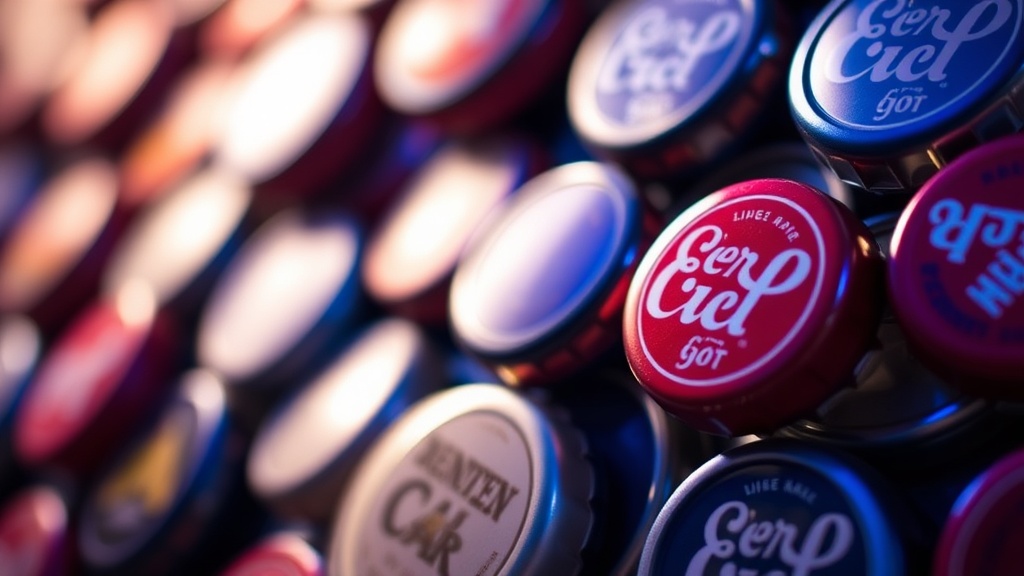
The Complete Guide to Starting Your Beer Cap Collection

This guide walks through everything needed to launch a beer cap collection—from sourcing your first caps and understanding condition grades to organizing, storing, and displaying finds. Whether drawn to the hunt for rare imports, the graphic design of vintage crowns, or the simple satisfaction of building something tangible, starting a collection doesn't require deep pockets or specialized training. Just curiosity and a bit of floor space.
Why Do People Collect Beer Caps?
People collect beer caps for three main reasons: they're affordable, historically interesting, and surprisingly varied. A bottle cap represents a moment in brewing history—a specific batch, branding campaign, or regional release that'll never exist again. For some, it's the thrill of the chase—scouring flea markets, trading with collectors in Germany or Belgium, or cracking a new import no one in the circle has seen. Others appreciate the compact nature. A thousand caps fit in a shoebox.
Camille Ito—who runs the Brooklyn-based blog beercaps.blog—started after noticing the artwork on a 1990s Anchor Steam crown. That observation spiraled into tracking down West Coast microbrewery caps from the craft beer explosion. The community aspect matters too. Collectors trade, share origin stories, and debate the merits of different crimp styles at shows and online forums. It's social without being overwhelming.
Where Can You Find Beer Caps to Start a Collection?
You can find beer caps everywhere—garage sales, brewery taprooms, eBay lots, and even your own recycling bin. The key is knowing where to look based on what you're after.
Local Sources (Free to Cheap): Start with friends and family. Most people toss caps without a second thought. Ask bartenders at craft beer bars if they save interesting crowns—many will set them aside for collectors. Brewery tours often have promotional caps you won't find in stores. Flea markets and estate sales can yield vintage collections sold as a lot, sometimes for pennies per cap.
Online Marketplaces: eBay remains the largest marketplace for beer caps, with sellers offering everything from bulk common caps to rare Japanese microbrewery crowns. Etsy has curated selections—often cleaner, more expensive, geared toward crafters. Specialized forums like Breweriana.com have trading boards where collectors swap duplicates.
International Hunting: European collectors have access to incredible variety—Belgian Trappist crowns, German purity-law era designs, Czech pilsner heritage caps. If you don't travel, find trading partners. Many collectors maintain relationships across continents, mailing padded envelopes back and forth.
What Supplies Do You Need to Organize and Store Beer Caps?
You'll need containers, a sorting system, and protection from moisture and light. The good news? Basic storage costs under $50.
| Supply | Purpose | Specific Recommendation | Approximate Cost |
|---|---|---|---|
| Storage boxes | Organizing by category | Plano 3700 StowAway utility boxes | $8-12 each |
| Coin flips | Individual cap protection | BCW 2x2 cardboard coin holders | $5 per 100 |
| Album pages | Display and browsing | Lighthouse Vario 5-pocket pages | |
| Cotton gloves | Handling without leaving oils | Northwest Coin cotton inspection gloves | $7 per pair |
| Desiccant packs | Moisture control | Silica gel packets (rechargeable) | $10 for 50 |
That said, you don't need everything at once. Many collectors start with mason jars or plastic takeout containers. The Plano boxes work well because compartments keep caps separated—you won't spend hours digging through a mixed pile to find that one German wheat beer crown.
Coin flips (2x2 cardboard holders with Mylar windows) prevent caps from scratching each other. They're standard in numismatics and work perfectly for crowns. Slip one in, staple or tape closed, label with a fine-tip Sharpie.
How Do You Grade and Value Beer Caps?
Condition determines everything in this hobby. A pristine 1980s Rolling Rock cap might fetch $15. The same cap with rust spots and bent edges? Fifty cents—if you can sell it at all.
Mint: Perfect. No scratches, no fading, no dents. The cap looks like it came off the bottling line yesterday. Rare in caps older than 10 years.
Near Mint: Minor imperfections—a faint scratch, slight discoloration on the skirt (the crimped edge). Still displays beautifully.
Very Fine: Visible wear. Small dents, some rust starting at the edges, colors faded but recognizable. Common for vintage finds.
Fair/Poor: Heavy rust, bent or torn metal, unreadable graphics. Usually only valuable if extremely rare. Most collectors discard these unless the cap fills a historical gap.
Valuation depends on rarity, brewery reputation, and demand. Limited-release craft brewery caps from Tree House, Trillium, or Hill Farmstead command premium prices among U.S. collectors. International collectors chase Japanese seasonal releases and Belgian Trappist monastery caps. Check Crown-Caps.org for a database of documented caps and rough valuations—though prices fluctuate based on who's hunting what.
What Are the Different Types of Beer Caps Worth Knowing?
Not all caps are created equal. Understanding the varieties helps you hunt strategically and avoid overpaying for common crowns.
Standard Crowns: The 26mm metal cap with 21 crimps—what you see on 99% of beer bottles. These form the bulk of most collections. Within this category, you'll find:
- Painted crowns (solid colors, often cheap imports)
- Printed crowns (detailed graphics—most collectible)
- Lined vs. unlined (lived crowns have a plastic or cork seal inside)
Oversized Caps: European tradition—some German and Belgian breweries use 29mm or larger crowns, often with more elaborate artwork. These feel substantial and display well.
Twist-Offs: Controversial in collecting circles. Many purists avoid them because the threads weaken the metal and the graphics often differ from pry-off versions. That said, some twist-offs are the only version produced—collect those, ignore the rest.
Specially Shapes: Pull-tabs from the 1960s-70s, ring-pull crowns from certain Asian markets, cork-and-cage champagne-style closures from Belgian strong ales. These command attention in displays.
How Should You Display a Beer Cap Collection?
Display choices shape how much enjoyment the collection brings. A closet full of Plano boxes isn't satisfying—part of the hobby is showing off the graphic design, the color variations, the historical progression.
Shadow Boxes: Classic choice. Buy a pre-made 12x12 or 16x20 shadow box from Michaels or IKEA, arrange caps in a grid, secure with small dabs of hot glue or mounting putty (don't damage the caps). The depth keeps dust off while allowing full viewing.
Custom Frames: Some collectors build wooden grids—think honeycomb or checkerboard patterns—where caps sit recessed in individual slots. This looks professional and protects edges. You'll see this style at breweriana shows.
Albums and Binders: Practical for large collections. Those Lighthouse Vario pages slide into standard 3-ring binders. You can flip through hundreds of caps like trading cards. Worth noting: binders take up less space than framed displays but don't have the same visual impact.
Magnetic Boards: For a rotating display—caps stick to sheet metal mounted on the wall. Easy to swap out. Just be sure caps are clean and dry first; trapped moisture against metal invites rust.
What Mistakes Should Beginners Avoid?
Everyone makes errors early on. Here are the ones worth skipping:
Cleaning Too Aggressively: A dirty cap with character beats a shiny, damaged one. Never use steel wool, harsh chemicals, or abrasive scrubbers on vintage crowns. Warm water and mild soap—maybe a soft toothbrush—handles most grime. Pat dry immediately.
Overpaying for Commons: That eBay lot of "500 mixed beer caps" for $30? Probably 400 Budweiser, Coors, and Miller crowns you could collect for free at any party. Buy specific caps or curated lots from known breweries. Here's the thing: volume isn't impressive if every collector has the same stuff.
Ignoring Provenance: Where did this cap come from? What brewery? What year? Write it down immediately. A cap without context loses half its value—and all of its storytelling power.
Storing in Damp Spaces: Basements and garages kill collections. Rust spreads cap-to-cap if they're touching. Use climate-controlled spaces. The catch? You might need to negotiate with family members about closet real estate.
How Do You Connect With Other Beer Cap Collectors?
Community accelerates the hobby. Other collectors trade duplicates, identify mystery caps, and point you toward sources you'd never find alone.
Start with r/beercaps on Reddit—active, beginner-friendly, lots of identification help. Facebook has regional breweriana groups where collectors arrange in-person swaps. The Brewery Collectibles Club of America (BCCA) hosts annual conventions with cap trading sessions, though membership focuses broadly on all breweriana—not just crowns.
Instagram works surprisingly well for this hobby. Search #beercaps or #crowncaps and you'll find collectors worldwide posting their latest acquisitions. Comment thoughtfully. Trade offers follow.
Local beer festivals sometimes have collector meetups—check event schedules. Nothing beats examining a rare German crown in person, turning it over, feeling the crimp quality, hearing the story of how it was acquired at a Munich beer hall in 1987.
Building a beer cap collection rewards patience more than money. Start with what interests you—local breweries, a specific country's output, historical periods. Document everything. Store carefully. Trade aggressively. The collection grows one cap at a time, each representing a decision, a hunt, a small victory. Some collectors chase completeness (every cap from a specific brewery). Others chase beauty. There's no wrong approach—only the one that keeps you searching through that next box at the flea market, hoping for something special.