Setting Up Your First Professional Display Case for Metal Caps

Are you wondering if a simple wooden shadow box or a high-end acrylic case is the right choice for your collection? Choosing a display method isn't just about aesthetics; it's about ensuring your metal caps stay in peak condition while being visible to guests. This guide covers the different types of display enclosures, how to secure your items, and the specific environmental factors you need to keep in mind to avoid damage.
When you first start collecting, it's easy to think that just pinning a few caps to a corkboard is enough. But as your collection grows, you'll realize that a disorganized pile or a flat-on-the-wall approach can actually lead to issues. A proper display case provides a controlled environment that protects your items from physical contact and environmental shifts.
What is the best way to mount beer caps for display?
There are several ways to mount your caps, and each has a different level of permanence. If you're looking for a way to display your caps on a wall, you have a few distinct directions you can take:
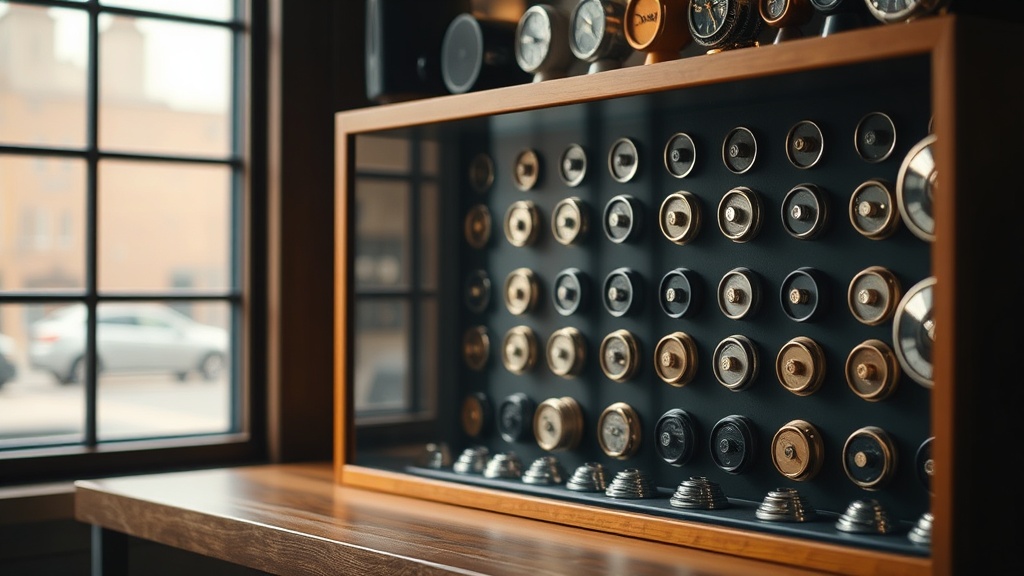
- Shadow Boxes: These are deep-set frames that offer a sense of depth. You can use small metal pins or specialized adhesive-backed mounts to keep the caps from shifting.
- Acrylic Display Cubes: These are great for tabletop displays. They provide a 360-degree view, making them perfect for centerpieces, though they don't work well for wall mounting.
- Pegboard Systems: This is a more industrial approach. It's highly modular, allowing you to move things around easily as your collection changes, though it lacks the "finished" look of a custom case.
- Magnetic Displays: Some collectors use metal backing plates and small magnetic components to hold caps in place, which avoids any permanent damage to the metal.
One thing to keep in mind is that many people try to use glue to stick caps to a surface. I'd suggest avoiding this unless you're certain the display is meant to be permanent. If you're using a shadow box, look for pins that won't scratch the enamel or the printed design. You want to be able to update your collection without a screwdriver and a lot of scraping.
How do I prevent my metal caps from falling or shifting?
A common frustration for collectors is seeing a cap tilt or fall out of position during a small vibration—like someone walking past the shelf or a door closing. To prevent this, you need to consider the tension of your mounting method. If you're using a shadow box with a glass front, the glass is your first line of defense against dust, but it won't stop the caps from sliding inside the frame if they aren't secured.
For collectors who want a clean, floating look, specialized adhesive dots can work. However, if you're using a high-quality display, you might prefer a custom-cut foam backing. This allows you to press the cap into a specific indentation, holding it firmly in place without the mess of glue. For more information on metal preservation and how different materials interact, you can check out resources like the American Chemical Society to understand how oxidation affects different metal alloys.
If you're displaying a large number of items, weight becomes a factor. A heavy collection of metal caps can actually pull at the mounting hardware. Make sure your display case is rated for the weight of your collection, especially if you're using heavy-duty metal or thick glass. This isn't just about the case; it's about the structural integrity of your wall or shelf.
Can humidity affect my metal cap collection in a display case?
This is a major concern for many of us. Even inside a glass case, the air inside can become stagnant. If you live in a humid area, moisture can get trapped, leading to the dreaded rust or discoloration. This is especially true for vintage caps that might already have a bit of oxidation starting.
To mitigate this, consider adding a small silica gel packet to the back of your display. This is a simple way to absorb excess moisture that might enter the case when you open it to add new finds. You'll want to check your collection every few months to ensure no signs of corrosion are appearing. If you see any discoloration, it might be time to move your display to a more climate-controlled part of the room.
The material of the case itself matters too. Plastic or acrylic cases are generally more moisture-resistant than wood. Wood can absorb moisture and release it back into the air, which isn't ideal for metal. If you're using a wooden shadow box, try to ensure the interior is lined with a non-reactive material. This keeps the environment stable and protects the integrity of your metal pieces.
When you're selecting a display, think about the light source. While most people want to show off their collection with bright lights, UV rays can actually fade the ink on the caps over time. Using LED lighting is a better choice because it produces much less heat and doesn't emit harmful UV rays. This is a small detail, but it makes a big difference in the long-term appearance of your collection. If you want to see more about the history of how these materials are used, the Britannica website offers deep dives into various manufacturing processes and materials used throughout history.
Lastly, remember that a display is a living part of your home. It should reflect your personality. Whether it's a professional-grade acrylic case or a vintage-looking wooden box, the goal is to create a space where your collection can thrive without being damaged by the very environment meant to showcase it.