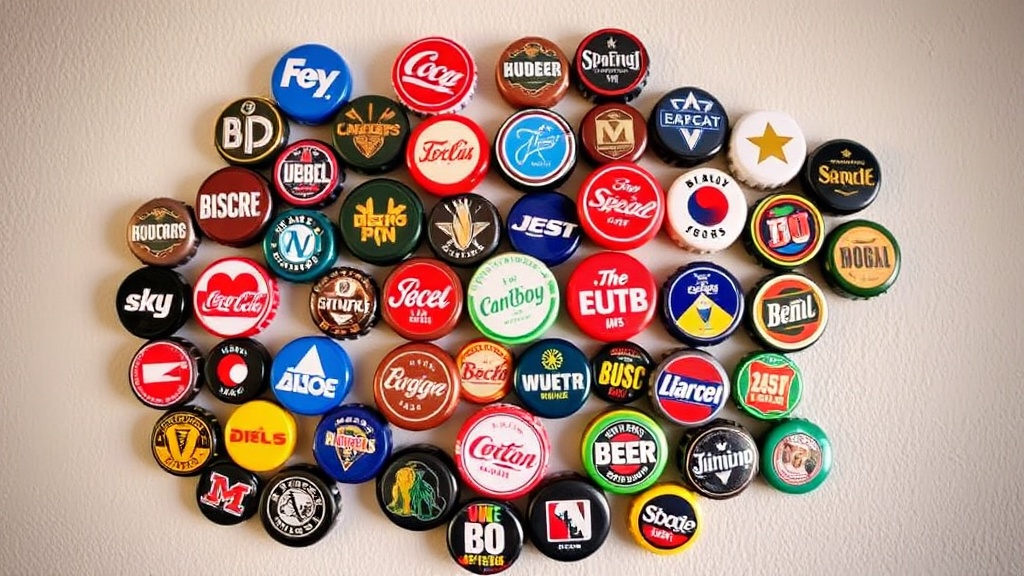
How to Store and Display Your Beer Cap Collection Like a Pro

This guide covers practical storage methods, creative display options, and preservation techniques for beer cap collections of any size. Whether you've got fifty caps or five thousand, proper organization protects their value while letting you actually enjoy looking at them—because what's the point of collecting if everything stays buried in a shoebox?
What's the Best Way to Store Beer Caps Long-Term?
The best way to store beer caps long-term is in acid-free containers with stable temperature and low humidity. Beer caps are surprisingly delicate—exposed to moisture, they rust. Left in sunlight, colors fade. Tossed in a plastic bag, they scratch each other raw.
Start with the container. Acid-free cardboard boxes (the kind stamp collectors swear by) work beautifully for bulk storage. Gaylord Archival makes museum-quality boxes that won't off-gas chemicals onto your metal treasures. For smaller collections, PVC-free plastic cases with individual compartments keep caps from banging together—think fishing tackle boxes, but upgrade to archival quality.
Temperature matters more than most people realize. That attic? Bad idea. The garage? Worse. Caps expand and contract with heat fluctuations, loosening the liners inside. Basements work only if humidity stays below 50%. Above that, rust creeps in—starting at the crimped edges where the protective coating thins out.
Here's the thing about storage philosophy: you're not just protecting objects. You're preserving stories. That cap from the brewery you visited in Vermont? The limited release from your best friend's wedding? These deserve better than a dusty corner.
Storage Solutions Compared
| Method | Best For | Cost | Pros | Cons |
|---|---|---|---|---|
| Acid-free boxes | 500+ caps, long-term | $15-40 | Protects from light, stackable | Not easily accessible for viewing |
| 2x2 coin flips | Valuable/special caps | $20-50 per 100 | Individual protection, acid-free | Time-consuming to organize |
| Glass jars | Display-ready storage | $5-15 | Visible, decorative | No UV protection, condensation risk |
| Baseball card boxes | Medium collections | $10-25 | Compact, organized rows | Caps may slide around |
| Shadow boxes | Showcase pieces | $30-100 | Wall display, customizable | Limited capacity, static arrangement |
How Can You Display Beer Caps Without Damaging Them?
You can display beer caps without damage by using methods that avoid adhesives, limit UV exposure, and allow air circulation. The temptation to glue caps onto everything is real—resist it. Once you stick a cap down, you've destroyed its integrity. Collectors call this "ruined," not "displayed."
Magnetic strips offer the best of both worlds. Strong neodymium magnets (the kind from K&J Magnetics) hold caps firmly without contact damage. Mount a steel sheet behind reclaimed barn wood, and you've got a rustic display that lets you rearrange on a whim. The magnets grab the steel in the cap's liner—no glue, no residue, no tears when you want to reorganize.
Beer cap maps have exploded in popularity, and for good reason. These laser-cut wooden maps feature cutouts sized perfectly for caps. Each state or country shape holds dozens of caps representing breweries you've visited or beers you've loved. The caps press in snugly—no adhesive needed. Etsy sellers like BeerCapMaps offer U.S. maps, world maps, even custom shapes. The catch? Standard maps fit American bottle caps (about 1 inch diameter). European caps run smaller—22mm—so check your collection before ordering.
For the DIY-minded, picture frames with shallow depths work surprisingly well. Remove the glass (it creates glare anyway), stretch cork board or foam core across the backing, and press caps into place. The cork grips the crimped edges just enough. Shadow boxes from Michaels or Hobby Lobby run deeper—great for caps with unusual shapes or attached memorabilia like coasters or tap handles.
Worth noting: displayed caps need dusting. A soft makeup brush or clean paintbrush works perfectly. Skip the compressed air—it can force moisture into crevices.
What About Damaged or Rusty Caps in Your Collection?
Damaged or rusty caps should be separated from the main collection immediately—rust spreads, and damaged caps lower the perceived value of the whole lot. That said, not every flawed cap belongs in the trash.
Surface rust responds surprisingly well to gentle treatment. A soft cloth with a tiny amount of mineral oil lifts light oxidation. For stubborn spots, a fiberglass scratch pen (jewelers use these) removes rust without damaging underlying paint. Work under magnification—a jeweler's loupe or even a phone camera zoom reveals details you'll miss with the naked eye.
Bent caps? Most can be reshaped. Place the cap on a hard rubber surface (an eraser works), cover with a soft cloth, and press gently with a socket that matches the cap's inner diameter. Don't aim for perfection—a slightly oval cap shows character. Flattened completely? That cap's done. Keep it for craft projects, not the collection.
Liners—the plastic or cork seals inside caps—deserve attention too. Old cork liners dry out and crumble. You can replace them with new synthetic cork (available from homebrew supply shops), though purists argue this changes the cap's authenticity. The middle ground? Document which caps have original liners and which you've restored. Future you—or whoever inherits the collection—will appreciate the honesty.
Sun-faded caps present the hardest problem. UV damage is permanent. Once that bright red has gone pink, there's no going back. Prevention beats cure: rotate displayed caps every few months, keep prized pieces away from direct light, and consider UV-filtering glass for shadow boxes.
Creative Display Ideas for Different Spaces
Small apartments demand vertical solutions. A column of magnetic knife strips mounted on the kitchen wall transforms dead space into a rotating gallery. Each strip holds twenty to thirty caps, and the arrangement changes as easily as your mood.
Home bar owners have more real estate to work with. Epoxy resin tables embedded with caps look spectacular—though they're permanent, so choose caps you don't mind immortalizing. Tread carefully here. That 1980s Rolling Rock cap might be worth more than you think.
For the truly dedicated, ceiling-mounted display systems exist. Think grid wire and tiny clips, creating a floating mosaic overhead. Guests crane their necks, conversations start, memories surface. It's theater as much as storage.
Outdoor spaces—patios, garages, workshops—need weather-resistant solutions. Powder-coated steel sheets resist rust, and outdoor-rated magnets hold through temperature swings. Just bring valuable caps inside when the party ends.
Organizing Principles That Actually Work
Every collector faces the taxonomy question. By brewery? By date acquired? By color? By geographic origin? Here's the thing: there's no wrong answer—only answers that stop working as collections grow.
Start simple. Chronological order tells your personal story, even if the visual result looks chaotic. Brewery alphabetical makes finding specific caps easier. Color-coding satisfies the designer's eye, though it scatters related breweries across the display.
Many serious collectors use a hybrid system. Display the best representatives by category (local breweries, international favorites, limited releases), store the bulk chronologically, and maintain a spreadsheet or Beer Cap Collection database for reference. The database tracks brewery, date, location acquired, and condition—because memory fades, but spreadsheets don't.
That said, rigid organization can kill the joy. Leave room for the "miscellaneous" section—the weird, the unidentifiable, the gifts from friends who know you collect but don't quite understand how. These caps often carry the best stories.
Protecting Your Investment (Even If It's Just Emotional)
Insurance might seem excessive for "trash," but serious collections hold real value. Rare pre-Prohibition caps sell for hundreds. Complete brewery sets command premiums. Document everything—photographs, purchase receipts, provenance notes.
Fireproof safes protect your best pieces, though they're overkill for everyday storage. A good compromise: a fire-resistant document box for the irreplaceables, standard archival storage for the rest. Water damage from fire suppression worries collectors more than flames—caps survive heat better than paper, but rust loves moisture.
The emotional investment matters too. These small metal discs represent travels, friendships, celebrations, quiet moments. The collection maps a life. Treat it with the respect that mapping deserves—organized enough to enjoy, protected enough to last, personal enough to remain yours.
"The best collection is the one you actually look at. Storage that buries everything defeats the purpose. Display that damages everything betrays the trust. Balance is everything."
Your beer caps survived the brewing process, the bottling line, the prying opener, and the recycling bin. They've come this far. Give them a good home—and a view worth keeping.