How to Organize Small Bottle Caps and Collectibles Effectively

What is the best way to organize small collections?
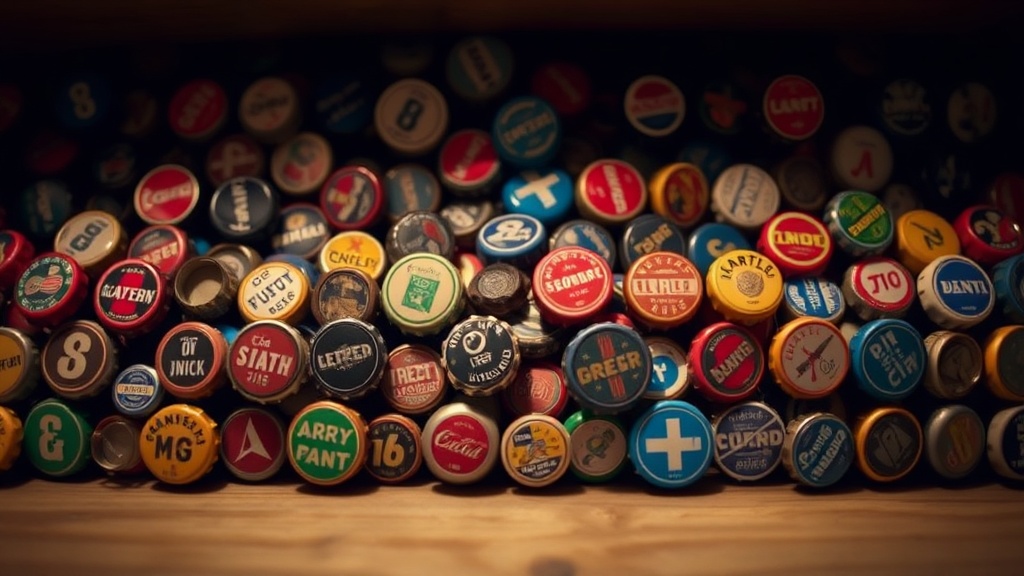
Have you ever stared at a disorganized pile of metal caps and wondered where one end begins and the other finishes? Organizing a collection of beer caps, bottle tops, and small brewery ephemera isn't just about tidying up; it's about preserving the integrity of each piece while making them accessible for viewing. A disorganized collection often leads to physical damage—scratches from sliding across a table or oxidation from improper contact—but a well-structured system turns a pile of metal into a curated gallery. This guide covers physical storage solutions, categorization methods, and the logistics of maintaining a searchable inventory.
The first step in any organization project involves deciding on a primary storage medium. Collectors generally split into two camps: those who prefer high-visibility displays and those who prioritize long-term preservation. If you want to see your caps every day, acrylic cases or shadow boxes are the way to go. However, if you have hundreds of pieces that you only want to view occasionally, deep-storage solutions like specialized dividers or tiered trays might serve you better. You need to consider how much space you have and how often you intend to interact with the collection.
Categorization is where most collectors hit a wall. Should you organize by brewery, by color, or by the year they were produced? There is no single right answer, but there are logical ways to group items that make sense for your specific interests. For instance, many collectors find that grouping by brand allows for easier identification of limited editions or seasonal runs. If you are more interested in the visual aesthetic, grouping by color or even by the shape of the crimp (the way the edges are folded) can create a stunning, cohesive look when displayed.
Can I use standard jewelry boxes for beer caps?
While jewelry boxes are tempting because of their small size and velvet linings, they aren't always the best fit for beer caps. A standard cap is much heavier and more irregular than a ring or a small earring. If the box is too tight, the pressure can actually bend the crimps or scratch the printed surface of the cap. If you do choose to use jewelry-style storage, ensure the compartments are deep enough that the edges don't rub against the side walls during movement. For larger items, look toward specialized parts organizers used in hardware stores—they are often much more durable and budget-friendly.
Digital-physical hybrid systems are becoming increasingly popular among serious collectors. This involves keeping a physical collection in a display case while maintaining a digital spreadsheet or a specialized app to track details like date of acquisition, manufacturer, and current estimated value. This prevents you from having to pull every single cap out of a display just to remember where it came from. If you want to see how different collectors document their finds, sites like BreweryWorld often feature discussions on the history and variety of different bottle designs.
Should I organize by brand or by era?
Organizing by brand is the most common method because it keeps "families" of items together. This is helpful when you're looking for a specific variation of a classic logo. Organizing by era, however, is a more advanced technique that allows you to see the evolution of design over decades. For example, seeing the progression of a single brand's branding from the 1970s through the 1990s provides a fascinating look at graphic design history. If you are looking for high-quality metal-working history to understand the materials used, the Library of Congress offers immense resources on industrial design and manufacturing history.
One thing to watch out for is the weight of the collection. Metal caps, especially older ones that might have more significant ink or heavier coatings, can add up quickly. If you are using tiered shelving or multi-level display cases, ensure the weight is distributed evenly. A heavy stack of caps on a single shelf can cause the shelf to bow or even collapse, which would be a disaster for your collection. Using a solid, non-reactive base is a good way to prevent this.
Is there a way to store caps without them touching?
If you want to prevent the metal edges from scratching one another, you should look into individual cell storage. This can be done using specialized cap holders or even simple, heavy-duty plastic dividers. When caps touch, the friction of being moved around can cause small scratches that ruin the value of a pristine piece. If you're displaying them in a frame, using small pieces of acid-free foam or specialized mounting putty can help keep them in place without them clashing against one another. This is especially important for highly collectible or rare pieces that are prone to any kind of physical wear.
A well-organized collection is more than just a neat pile; it's a way to respect the history of the items you've gathered. Whether you choose to keep your items in a high-end display case or a more practical, tiered organizer, the goal remains the same: preservation and accessibility. As your collection grows, your methods will likely change, and that's perfectly fine. The key is to build a system that works for your current scale while allowing for the inevitable additions of the future.