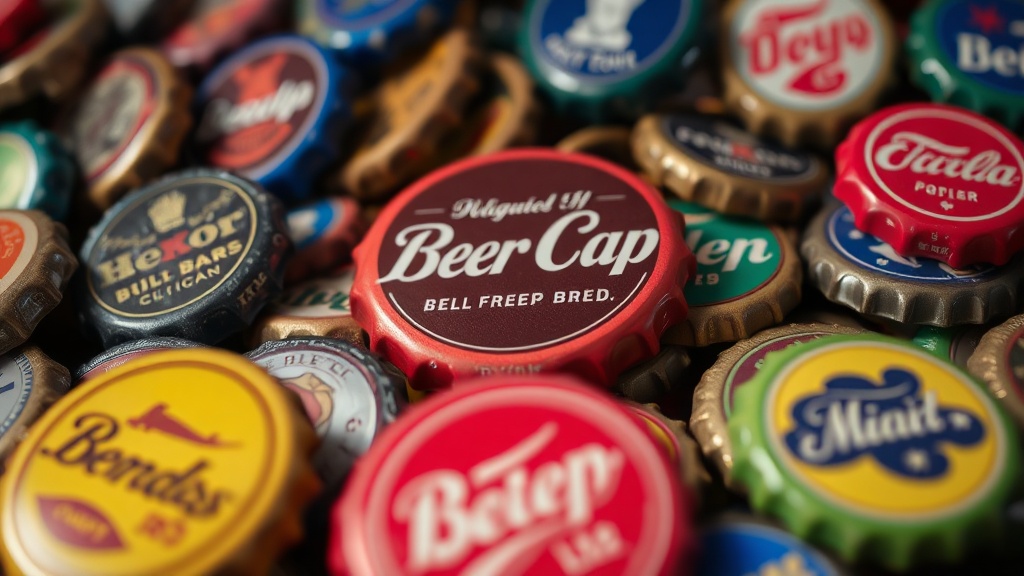
Finding Quality Vintage Beer Caps in Bulk Lots

Imagine opening a large, heavy cardboard box from an estate sale or an online auction, only to find a tangled mess of rusted, bent, and unrecognizable metal scraps. You were hoping for a treasure trove of 1970s brewery logos, but instead, you've inherited a pile of oxidized junk that lacks any collectible value. This is the reality of buying in bulk. Without a strategy, buying large quantities of beer caps or small breweriana can quickly turn from an investment into a chore of sorting through trash. This guide covers how to identify high-quality bulk lots, what to look for in an auction, and how to avoid the common pitfalls of buying unverified collections.
What defines a high-quality vintage cap lot?
A high-quality lot isn't just a large number of items; it's a collection with a specific theme or era that holds consistent interest. When you look at a bulk listing, look for a high percentage of "unopened" or "unblemished" caps. This means the metal hasn't been bent by a bottle opener or crushed during shipping. A good lot often contains a mix of eras—perhaps some mid-century classics alongside more modern, regional brewery designs. This variety ensures that even if a few pieces are duds, the overall value remains high.
Pay attention to the level of oxidation. While a little bit of age is expected, you want to avoid lots that are described as "heavily rusted" or "weathered." Rust on a crown cap isn't just an aesthetic issue; it's a sign that the metal integrity is compromised. A high-quality lot will have caps that retain their original color and luster. If you see photos where the metal looks dull or brown, it's likely a low-grade lot. You can learn more about metal preservation and the types of metals used in early packaging via the Smithsonian Institution archives to understand why certain eras produced more durable caps than others.
The Importance of Branding and Rarity
Not all bulk lots are created equal. A box of 500 generic, modern domestic beer caps is worth significantly less than a box of 50 vintage, international, or defunct brewery caps. When browsing, look for keywords like "defunct brewery," "vintage logo," or "international imports." These terms signal that the seller understands the niche. A collector specializing in the 1950s will find much more value in a lot of mid-century American logos than in a modern pile of craft brewery caps that are still in mass production today.
How can you tell if a bulk lot is worth the price?
To determine value, you must do a little bit of math before you hit the checkout button. Most sellers list a price per unit or a total lot price. If a lot of 100 caps costs \$50, you're paying 50 cents per cap. If the caps are from a defunct brewery like Schlitz or a rare European brand, that's a steal. If they are standard modern caps, you might be overpaying. Always check the "sold" listings on major auction sites to see what similar quantities of specific brands have actually fetched recently.
- Check the Weight: If the seller provides weight, heavy lots often imply more metal and potentially more vintage pieces.
- Examine the Photos: Never buy a lot that only shows a single photo of a pile. You need to see the variety.
- Read the Description: If the description is vague (e.g., "box of old stuff"), walk away. You want descriptions that mention specific brands or time periods.
A smart way to build a collection is to look for "miscellaneous" lots. Often, a collector is clearing out space and doesn't want to sort through every single item. These are the moments where you can find those rare gems hidden under a layer of common ones. If the seller mentions "unsearched," proceed with caution—it's a high-risk, high-reward scenario. You might find a rare gold-standard cap, or you might find a box of literal scrap metal.
Where should you store bulk-acquired collections?
Once you've successfully navigated a bulk purchase, the way you store them matters. You can't just throw a thousand caps into a plastic bin and expect them to stay pristine. Humidity is the enemy of vintage metal. If you've bought a large lot of older caps, they should be stored in a climate-controlled environment. Using airtight containers or specialized display cases can prevent the very oxidation you're trying to avoid. For more on the historical context of how these materials have aged, the Britannica encyclopedia offers great insights into industrial history.
If you've acquired a massive volume of caps, I suggest sorting them by brand first, then by era. This makes it easier to spot duplicates and helps you organize your display. A common mistake is to keep everything in one big pile, which leads to scratches and dents. Treat your bulk finds with the same respect as your single, rare pieces. Even if a cap was part of a \$10 bulk lot, it still deserves a proper home in your collection.
| Lot Type | Pros | Cons | Best For |
|---|---|---|---|
| Unsearched | High potential for rare finds | Extremely high risk of junk | Aggressive collectors |
| Themed (e.g., 1950s) | Consistent quality and style | May have fewer "rare" gems | Building a specific collection |
| Modern/Generic | Low cost, high volume | Very low resale value | Practice and sorting drills |
When you're dealing with large quantities, the sheer volume of items can be overwhelming. Don't feel pressured to sort everything immediately. Sometimes, it's better to let the dust settle and tackle a small portion of the lot each week. This prevents burnout and keeps the process enjoyable. Whether you're looking for a specific vintage logo or just want to fill a display case, the key to successful bulk buying is a mix of skepticism, research, and a healthy dose of patience.