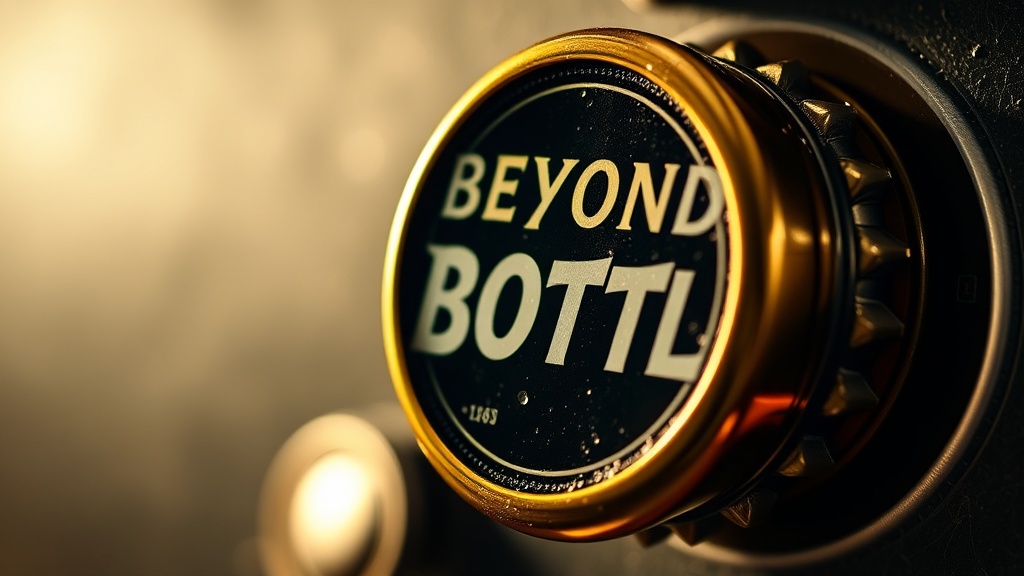
Beyond the Bottle: Decoding Unique Beer Cap Features for the Astute Collector

Beyond the Bottle: Decoding Unique Beer Cap Features for the Astute Collector
Imagine acquiring a cap — perhaps from a recent trade, a dusty antique store bin, or even a friend's leftover six-pack — that just feels… different. It might be the subtle texture, an unusual crimp, or a print that doesn't quite match your other examples. This isn't just another piece of metal; it could be a clue. For serious collectors, understanding these unique features transforms casual acquisition into a meticulous hunt. This guide will walk you through the often-overlooked characteristics that separate common caps from truly exceptional finds, helping you identify and appreciate the nuanced artistry and history sealed within each bottle.
Every beer cap tells a story, and the most compelling narratives are often hidden in plain sight. We're talking about more than just the brand logo. We're diving into the intricacies of manufacturing, the subtle markers of regional distribution, and the compelling narratives of provenance. These aren't abstract concepts; they're concrete details you can examine with a keen eye and a magnifying glass. Recognizing these specifics can profoundly impact a cap's perceived rarity and, in turn, its desirability within the collecting community. It’s about cultivating an expert’s gaze, moving beyond surface-level aesthetics to appreciate the deeper dimensions of your collection.
What Manufacturing Quirks Make a Cap Distinct?
Manufacturing variations, whether intentional or accidental, frequently create unique identifiers that can set certain caps apart. The standard crown cap design is deceptively simple, but the process of stamping, printing, and lining introduces a surprising array of potential distinctions. Recognizing these differences requires a sharp eye and a foundational understanding of how these small pieces of metal are made. It's often these minute details that spark fervent discussion among collectors.
- Liner Material and Type: The liner, the small disc inside the cap, is arguably one of its most telling features. Early caps often used cork liners, sometimes backed with foil or paper. As technology progressed, plastic liners — PVC, polyethylene, or oxygen-scavenging varieties — became prevalent. A cap from the 1960s with an unexpected plastic liner, or a modern cap boasting an older cork liner for a special release, could indicate a rare transitional piece or a limited edition. Pay attention to the color, thickness, and texture of the liner; these aren't always uniform even within the same brand over time. Some liners even feature printing, adding another layer of collectible detail.
- Crimp Patterns and Serrations: The number of crimps (teeth) around the edge of a cap is generally standard for a specific period or region, typically 21 or 23. However, variations exist. Caps with fewer or more crimps, or unusual crimp depths, can signify a different manufacturing plant, a prototype, or a specialty bottle. Observe the precision of the crimps, too. Uneven or unique serration patterns can be a signature of older machinery or a specific production batch. These subtle mechanical differences are often overlooked but can be crucial for dating and authenticating a cap.
- Printing Anomalies and Errors: Misprints are a collector's dream. These aren't just minor smudges; we're talking about off-center designs, incorrect color overlays, missing elements, or even entirely wrong text. A common cap with a significant printing error can skyrocket in value because it represents a rare manufacturing oversight that was likely corrected quickly. Look for double strikes, color shifts, or anything that deviates from the expected perfect design. Sometimes, these errors are so slight they only become apparent when comparing multiple caps of the same design side-by-side. For a deep dive into print quality and historical methods, you might consult resources like the