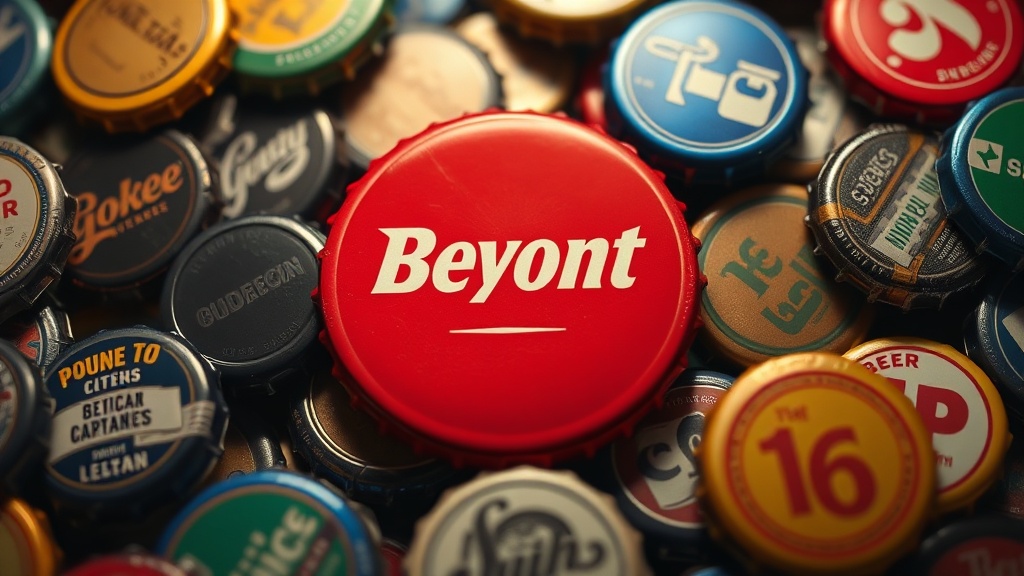
Beyond Aesthetics: Uncovering the Ingenuity and Narratives Sealed Within Your Beer Cap Collection

Beyond Aesthetics: Uncovering the Ingenuity and Narratives Sealed Within Your Beer Cap Collection
Did you know that over 100 billion bottle caps are produced globally each year? That's an astonishing volume, yet each one, despite its tiny stature, often carries a surprising amount of design thoughtfulness and sometimes, even historical significance. For collectors, these aren't just stoppers; they're miniature canvases, historical markers, and testaments to often-overlooked engineering. This piece explores the subtle but profound decisions that shape these small metal disks, revealing why some become treasured artifacts and others merely recyclables.
For the casual observer, a beer cap is simply a seal, preventing spoilage and keeping the carbonation intact. But for us, the collectors, it's so much more. We appreciate the intricate logos, the unexpected color combinations, and the tactile feel of a well-preserved piece. What we often overlook, however, are the layers of ingenuity beneath the surface—the functional design choices, the manufacturing innovations, and the unspoken narratives that reflect brewing trends and cultural shifts. Understanding these elements doesn't just enrich your collection; it transforms every new find into a deeper investigation.
What Hidden Design Elements Influence a Cap’s Identity?
Many design elements you see on a cap today have roots in functionality, not just branding. Take the fluting, for instance. Those crimped edges, typically 21 teeth for standard caps, weren’t chosen for their aesthetic appeal. They're a direct descendant of William Painter's 1892 Crown Cork design—a marvel of engineering that provided a secure, air-tight seal against the bottle's lip. The precise number ensures uniform pressure distribution, making the cap both easy to remove with a standard opener and incredibly effective at maintaining freshness. Variations in fluting, though rare, can sometimes indicate regional manufacturing differences or a very specific historical period.
Beyond the crimps, consider the liner. Initially, cork was the material of choice, eventually giving way to plastic or PVC-based compounds. This shift wasn't arbitrary; it was a response to material costs, sealing efficiency, and even the flavor profile of the beer itself. Early cork liners, particularly those exposed to the beer, could sometimes impart off-flavors. Modern liners are designed to be inert, offering superior protection. A cap with its original cork liner is often a sought-after relic, speaking volumes about its age and the era it hails from.